Direct Benefit Transfer (DBT) in India: Revolutionizing Welfare Delivery in the Digital Age
In today’s fast-paced digital world, the Indian government has taken significant strides to make welfare schemes more efficient, transparent, and inclusive. One of the most transformative initiatives in this direction is the Direct Benefit Transfer (DBT) system. Launched with the vision of eliminating middlemen and ensuring that every rupee reaches the intended beneficiary, DBT has changed how subsidies, pensions, scholarships, and other benefits are distributed across the country.
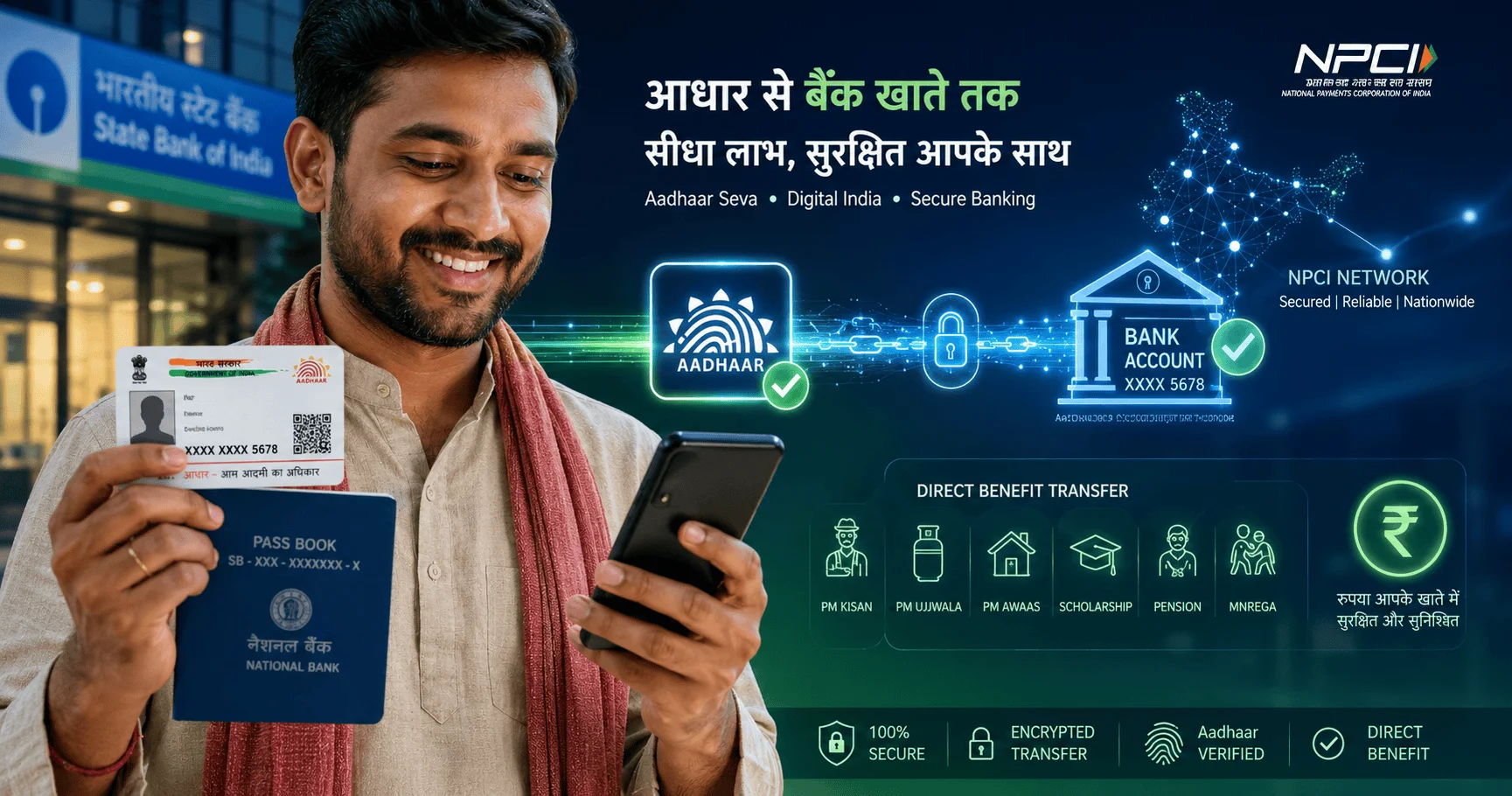
From LPG subsidies for rural households to pensions for the elderly and financial support for farmers under PM-KISAN, DBT has touched the lives of millions. It leverages technology like Aadhaar, bank accounts, and mobile connectivity—often referred to as the JAM Trinity (Jan Dhan, Aadhaar, Mobile)—to deliver benefits directly into bank accounts. This not only reduces leakages but also empowers citizens with greater financial control.
In this comprehensive guide, we’ll dive deep into what DBT is, how it works, the schemes it covers, its undeniable benefits, the challenges it faces, and practical tips for beneficiaries. Whether you’re a student receiving a scholarship, a farmer awaiting income support, or simply curious about government welfare, this article will equip you with everything you need to know.
What Is Direct Benefit Transfer (DBT)?
Direct Benefit Transfer, or DBT, is a government initiative that transfers subsidies and welfare benefits straight into the bank accounts of eligible citizens. Introduced on January 1, 2013, it aimed to address long-standing issues in the traditional subsidy distribution system, where funds often got siphoned off by intermediaries, leading to delays, corruption, and exclusion of genuine beneficiaries.
Before DBT, benefits were routed through multiple layers—district offices, local agents, and dealers—which created opportunities for leakage. Studies estimated that a substantial portion of subsidies never reached the poor. DBT flips this model by using digital infrastructure for direct, verifiable transfers.
“DBT is not just about transferring money; it’s about transferring trust and dignity to the last mile.”
The system relies heavily on Aadhaar for unique identification, ensuring that benefits go to real individuals without duplication. As of recent data, DBT covers hundreds of schemes across central and state governments, benefiting over 176 crore non-unique beneficiaries annually. Cumulative transfers have crossed ₹50 lakh crore, showcasing its massive scale.
The Journey of DBT: From Pilot to Nationwide Success
DBT started modestly with a few schemes in select districts. Over the years, it expanded dramatically. By integrating with the Public Financial Management System (PFMS), it brought unprecedented transparency. The introduction of Aadhaar-linked payments accelerated its adoption, especially post-2014.
Key milestones include the rollout under PAHAL for LPG subsidies and integration with major programs like MGNREGS and NSAP. Today, it stands as a global model for digital welfare delivery, with cumulative savings estimated at over ₹3.48 lakh crore due to reduced leakages.
How Does Direct Benefit Transfer Work?
The DBT process is straightforward yet backed by robust technology. Here’s a step-by-step breakdown:
- Identification of Beneficiaries: Government departments or agencies identify eligible individuals based on scheme criteria such as income, age, occupation, or social status. Aadhaar plays a pivotal role here for de-duplication and verification.
- Bank Account Linkage: Beneficiaries must have a bank account linked to their Aadhaar. This is crucial for seamless transfers.
- Fund Transfer: Once approved, funds are transferred electronically from the government’s account to the beneficiary’s bank account via PFMS or other platforms.
- Notification: Recipients receive SMS or email alerts confirming the credit. They can also track status on portals like PFMS or scheme-specific websites.
- Utilization and Tracking: Beneficiaries access funds through ATMs, banking apps, or branches. The system allows real-time monitoring for accountability.
Banks like Bank of Baroda play a supportive role by providing easy access to accounts, digital banking services, and assistance with Aadhaar linkage.
Role of Technology: The JAM Trinity
The success of DBT hinges on the JAM Trinity:
- Jan Dhan Accounts: Over 50 crore zero-balance accounts opened, especially in rural areas, promoting financial inclusion.
- Aadhaar: More than 130 crore unique IDs issued for accurate targeting.
- Mobile Phones: Widespread connectivity for notifications and services.
This combination has enabled scale and efficiency like never before.
Types of Schemes Covered Under DBT
DBT encompasses a vast array of welfare programs. Here’s a closer look at major categories:
| Scheme Category | Key Examples | Target Beneficiaries |
|---|---|---|
| LPG Subsidy | Pradhan Mantri Ujjwala Yojana (PMUY), PAHAL | Low-income households |
| Food Subsidy | Public Distribution System (PDS) | Eligible families under NFSA |
| Scholarships | Pre-Matric, Post-Matric, Merit-cum-Means | Students from SC/ST/OBC/EWS |
| Pensions | NSAP, Old Age Pension, Widow Pension | Senior citizens, widows, disabled |
| Agriculture & Farmer Welfare | PM-KISAN, Fertilizer Subsidy | Small and marginal farmers |
| Employment & Others | MGNREGS, Ladli Behna, PMAY | Rural workers, women, urban poor |
With over 320 central schemes and thousands at the state level, DBT has become the backbone of India’s social security net.
Benefits of Direct Benefit Transfer
The advantages of DBT extend far beyond mere convenience. Let’s explore them in detail:
1. Enhanced Transparency and Reduced Corruption
By cutting out intermediaries, DBT minimizes opportunities for graft. Every transaction is digitally traceable, making it easier to audit and hold officials accountable.
2. Faster Delivery and Efficiency
Funds that once took months now reach accounts within days. This timeliness is critical for pensions and emergency support, especially during crises like COVID-19, where DBT served as a lifeline.
3. Significant Cost Savings for the Government
Cumulative savings of ₹3.48 lakh crore have been achieved, allowing reallocation to expand coverage or invest in infrastructure. Subsidy expenditure as a percentage of total spending halved from 16% to 9%.
4. Financial Inclusion and Empowerment
Millions, especially women and rural populations, opened bank accounts for the first time. This fosters savings habits, access to credit, and economic participation. Studies show positive impacts on household savings, children’s education, and health.
5. Better Targeting and Reduced Leakages
Aadhaar helps eliminate ghost beneficiaries, ensuring benefits reach genuine recipients. Beneficiary coverage expanded 16-fold to 176 crore while optimizing budgets.
6. Empowerment of Marginalized Sections
Women beneficiaries often report greater autonomy over finances, leading to improved family outcomes in nutrition, schooling, and healthcare.
Challenges in DBT Implementation
Despite its successes, DBT isn’t without hurdles. Acknowledging these helps in finding solutions:
- Digital Literacy Gaps: Many rural and elderly beneficiaries struggle with technology, banking apps, or even basic smartphone usage.
- Aadhaar Linkage Issues: Mismatches in details, biometric failures, or lack of Aadhaar can delay payments. Not everyone has easy access to enrollment centers.
- Banking Infrastructure: Remote areas still have limited branches or ATMs, making withdrawals challenging.
- Technical Glitches: Network issues, server downtime, or portal errors occasionally disrupt the process.
- Coordination Between Agencies: Multiple departments and banks need seamless collaboration, which can sometimes falter.
- Exclusion Errors: Strict Aadhaar requirements might inadvertently exclude vulnerable groups without proper documents.
Addressing these requires continued investment in awareness campaigns, last-mile banking, and grievance redressal mechanisms.
Real-Life Impact: Success Stories and Statistics
The numbers tell a compelling story. In FY 2025-26 alone, DBT has already facilitated massive transfers. Women under schemes like Ladli Behna have gained economic independence. Farmers using PM-KISAN funds invest in better seeds and equipment, boosting productivity.
One heartwarming aspect is how DBT helped during the pandemic—direct transfers kept families afloat when jobs vanished. Female beneficiaries frequently highlight how these funds ensured children stayed in school and improved household nutrition.
The Welfare Efficiency Index (WEI) rising from 0.32 to 0.91 reflects not just fiscal prudence but genuine social progress.
How to Avail DBT Benefits: Practical Guide
Linking Aadhaar to Bank Account
This is the gateway to DBT. Follow these steps:
- Visit your bank branch with Aadhaar card and bank passbook.
- Fill the consent form for seeding.
- Complete biometric or OTP verification.
- Alternatively, use net banking, mobile apps, or NPCI’s Bharat Aadhaar Seeding Enabler (BASE) portal for self-service.
Check status on the DBT Bharat portal or PFMS.
Frequently Asked Questions (FAQs)
Q1. What is the full form of DBT?
Direct Benefit Transfer. It ensures direct, transparent delivery of government benefits.
Q2. How do I check eligibility?
Visit scheme portals (e.g., pmkisan.gov.in) or Aadhaar-enabled Common Service Centers (CSCs). Eligibility depends on scheme-specific criteria.
Q3. What if I face issues with linkage?
Contact your bank, use helplines, or visit grievance portals. Alternatives exist for some schemes.
Q4. Are DBT payments taxable?
Most welfare subsidies are not, but pensions or certain income supports may be. Consult a tax expert for specifics.
Q5. How to track payments?
Use PFMS portal, bank SMS/alerts, or scheme dashboards. Quick resolution is available via helplines.
Additional FAQs cover timelines (usually 1-3 days), covered schemes, and troubleshooting non-receipt.
Conclusion
Direct Benefit Transfer has undeniably revolutionized welfare delivery in India. By harnessing technology for transparency, efficiency, and inclusion, it has saved thousands of crores, reached more beneficiaries than ever, and restored faith in public systems. While challenges like digital divides persist, ongoing innovations and citizen feedback are paving the way for DBT 2.0—a more inclusive, user-friendly version.
For millions, DBT means dignity, timely support, and hope for a better tomorrow. As India marches towards Viksit Bharat, initiatives like this will remain central to building an equitable society. If you’re eligible, ensure your Aadhaar is linked today and make the most of these benefits. For reliable banking support, institutions like Bank of Baroda stand ready to assist.
Stay informed, stay connected, and let technology work for your welfare.
DBT Link Service by PaperMitra
If you need assistance with Aadhaar-Bank Account DBT linking, PaperMitra offers DBT Link assistance at a nominal service charge of ₹20 + GST. We help customers complete the application and linking process accurately, reducing the chances of delays or errors in receiving eligible government benefits.
Learn more or apply online: https://papermitra.com/services/dbt-link
Disclaimer: PaperMitra is a private service provider and is not a government agency, department, or affiliated with any government authority. We only assist users with application submission and documentation support services. Approval, verification, Aadhaar seeding, NPCI mapping, and benefit disbursement are solely handled by the respective banks, government departments, and authorized agencies as per their rules and procedures.